How to Compare Credit Card Processing Proposals: A Side-by-Side Checklist
A practical checklist for comparing payment processing offers: effective rate, pricing model, every fee line, and the contract terms that decide what you really pay.

Built around how your floor actually runs.
Tips, open tabs, kitchen tickets, and a busy pass do not behave like a quiet retail counter. The useful questions are which POS fits service style, how cards move from table to settlement, and whether pricing programs are set up the way guests and staff can explain them.
Generic “restaurant solutions built for you” copy is not enough. Start with the floor.
Full service needs table maps, coursing, tip handling, and kitchen printing that keeps up when the board fills. Counter service needs speed, clear modifiers, and a terminal guests can reach without blocking the line. Delivery and pickup add card-not-present tickets and third-party noise that still has to reconcile at night.
We work with these systems and help you choose based on service style—not a logo preference. Confirm hardware, modules, and processing cost for your account before you buy.

Countertop and handheld POS used by many restaurants and retailers. Verify table service, kitchen printing, and app costs for your setup.

Common for counter service and smaller restaurants. Revisit processing cost and feature limits as volume grows.
iPad POS aimed at full-service restaurants—floor plans, tableside, and restaurant reporting.

Cloud POS covering restaurant workflows, including multi-location needs when that is the requirement.

A POS option we install and support locally for restaurants that want hands-on setup.

A POS option we set up and support for restaurants. Confirm current feature fit for your service style.
Comparing a system you already run? See Compare processors and POS partners.
Hardware and software chosen for how you sell—not a one-size demo.
Menu build, modifiers, and a walkthrough so opening night is not the first test.
Traditional processing, or a pricing program only where it fits and can be disclosed clearly.
“Free equipment,” savings figures, and funding eligibility are account-specific. We do not publish universal restaurant savings on this page.
There are several ways restaurants handle card cost: keep traditional pricing, use compliant credit-card surcharging where allowed, or run a cash discount / dual pricing program. The right choice depends on ticket mix, guest expectations, and what staff can explain in one sentence.
If you use a cash discount or dual pricing approach, guests need clear menu and register signage, receipts that match the program, and servers who can answer questions without improvising.
General information only—not legal advice. Card-brand rules and state requirements change. Confirm any surcharge or dual-pricing setup before launch. How the pricing programs work →
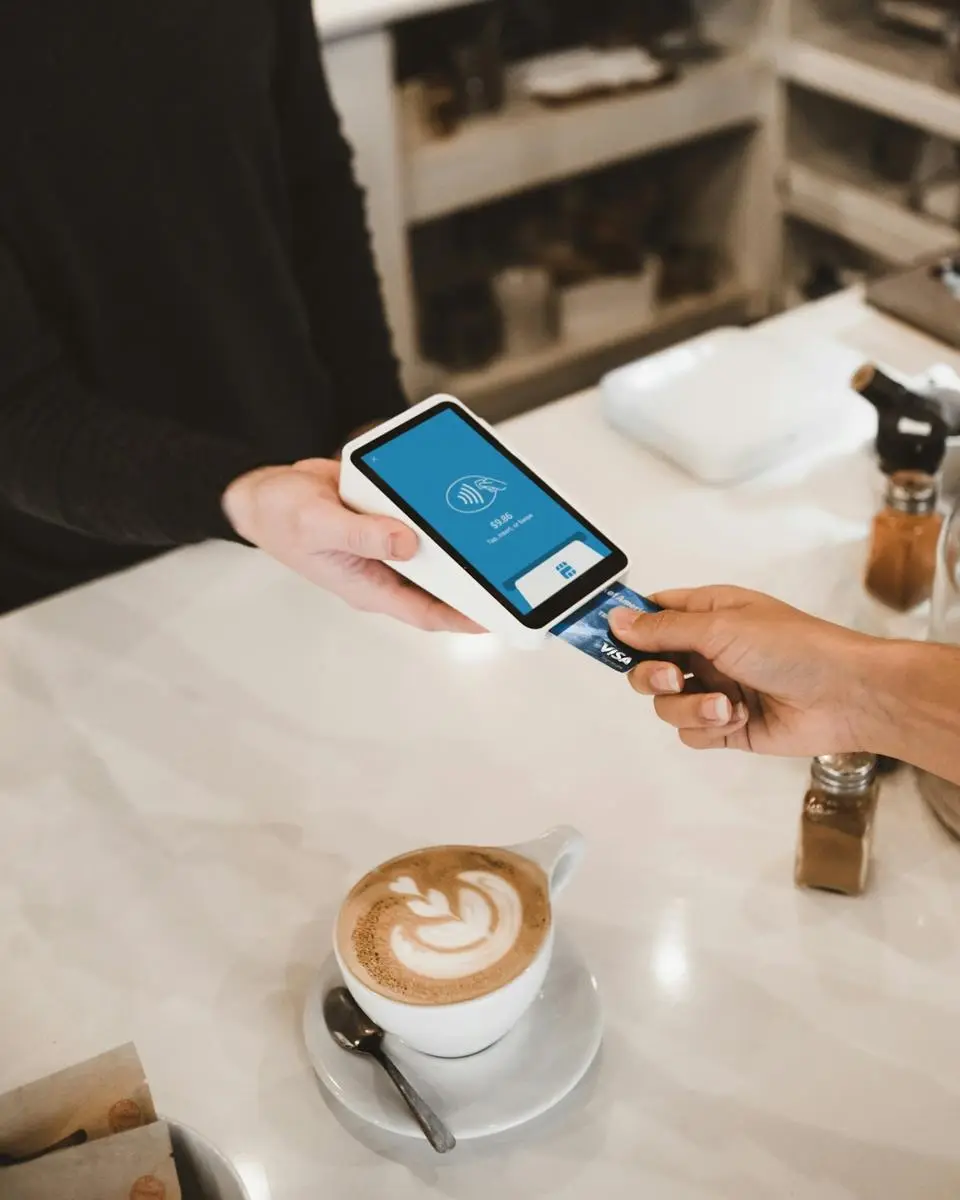
Tell us how you run service today—full service, counter, or mixed—and what is breaking down. Bring statements if you want the cost conversation grounded in real fees.
1.844.510.5600
Headquartered in Monmouth Beach, NJ
Book a 30-minute call. We will walk service style, which system fits, and what the statements show. Or send statements first if you prefer to start with the numbers.
Schedule 30 minutes Talk to a real person: 1.844.510.5600 Get a free statement analysis